
Dr. Tirthankar Dasgupta
Board Of Advisors
Dr. Kiran Pandey
Board Of Advisors
Dr. Atul Aditya Pandey
Board Of Advisors
Dr. Saurav Kumar
Board Of Advisors
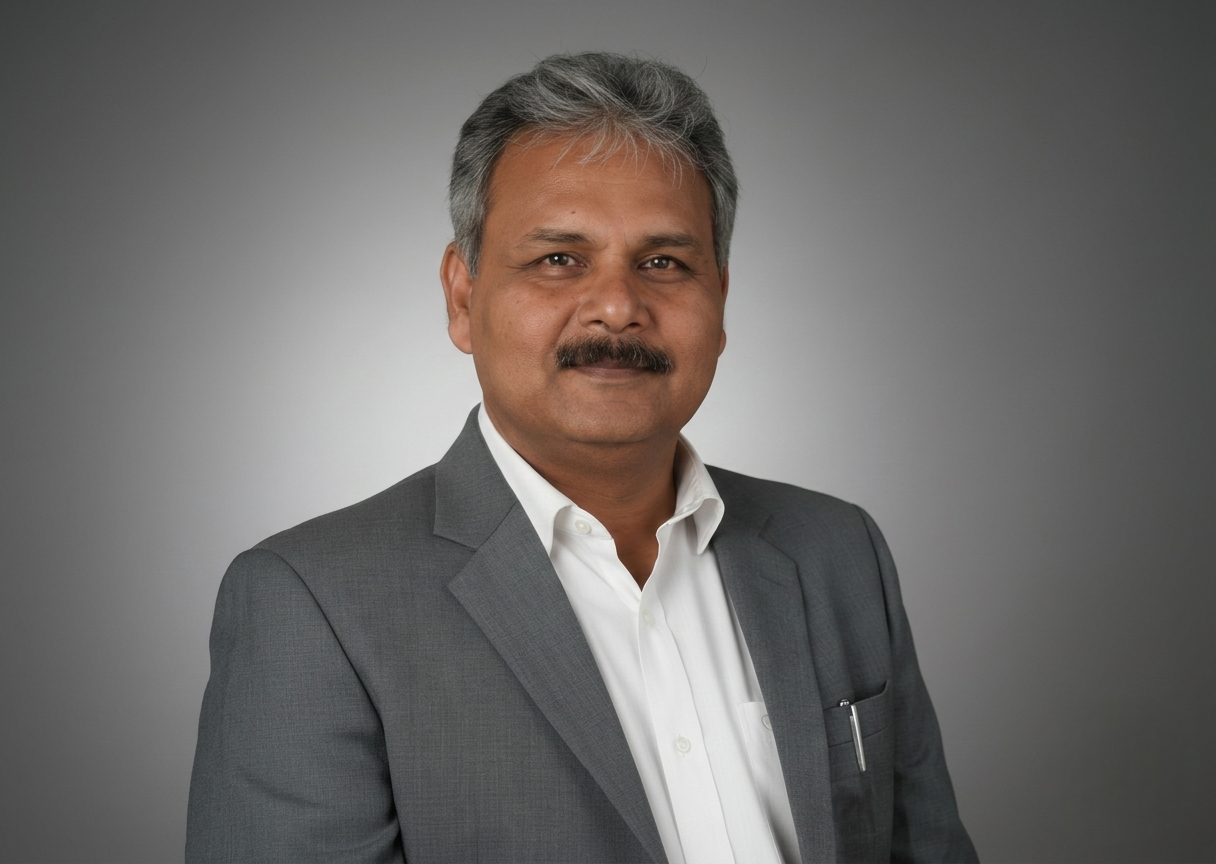
Dr. Atul Aditya Pandey
Board Of AdvisorsProfessional Summary
Dr. Atul Aditya Pandey is a Professor and Former Head of the Department of Geology at Patna University. He serves as Director of the UGC-Malaviya Mission Teacher Training Centre, Patna University, and was Chairman of the State Environment Impact Assessment Authority, Bihar (Ministry of Environment, Forest and Climate Change, Government of India). Earlier, he served as Principal in Charge of Patna Science College and College of Art and Crafts, both under Patna University.
He has completed projects sponsored by the Department of Space and Ministry of Environment, Forest and Climate Change, Government of India. Dr. Pandey has published papers in national and international journals. He motivates youth for societal welfare and was Coordinator of National Service Scheme, Patna University (Ministry of Youth Affairs and Sports, Government of India).His areas of interest are glaciers, Rivers and groundwater.At present he is working on sediment management and ground water quality issues in Gangetic plains.
Professional Experience
- Professor and Former Head, Department of Geology, Patna University
- Director, UGC-Malaviya Mission Teacher Training Centre
- Chairman, State Environment Impact Assessment Authority, Bihar
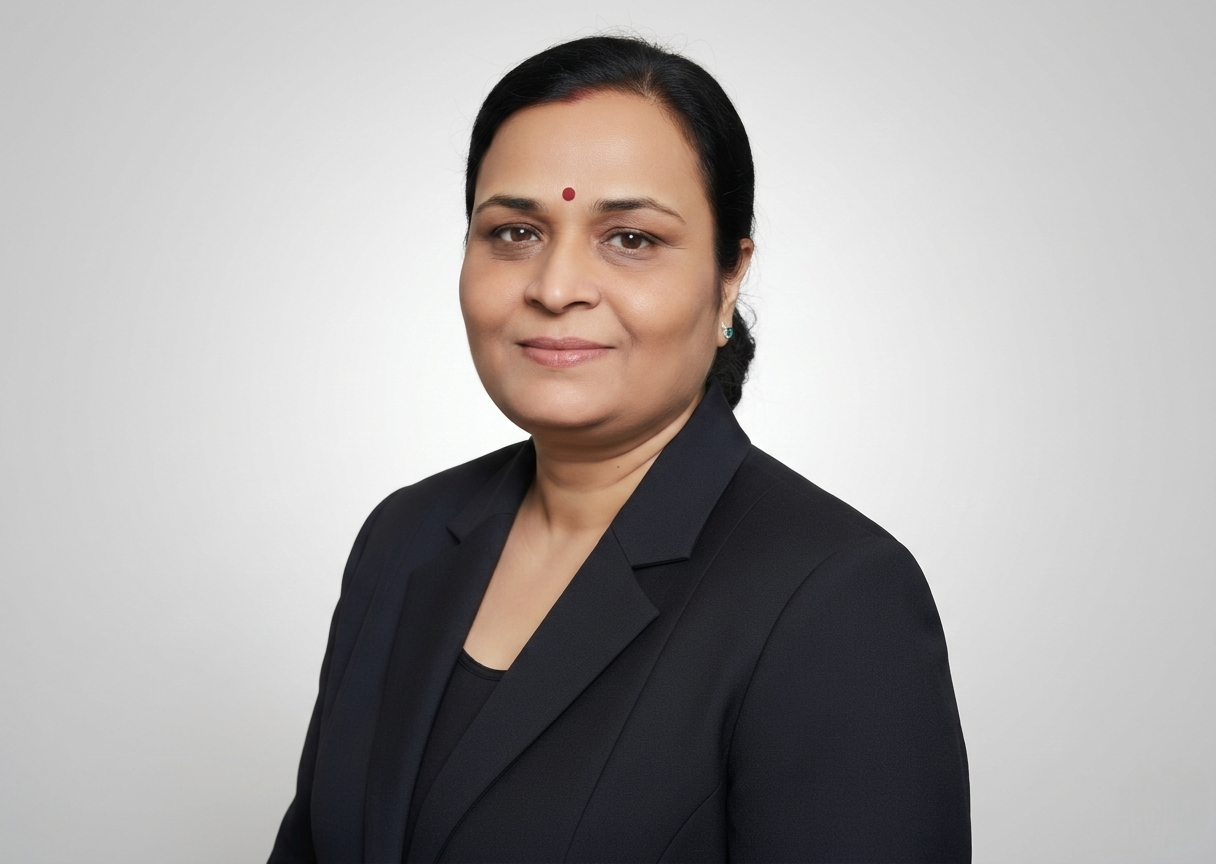
Dr. Kiran Pandey
Board Of AdvisorsProfessional Summary
Dr. Kiran Pandey is an Assistant Professor in the School of Computer Education & Information Technology at Nalanda Open University, Patna, since January 2009. Previously, she worked as faculty at L.N. Mishra Institute of Social and Economic Development, Patna from 2002 to 2009. She holds a PhD in Computer Science and CISCO Certification in Networking (CCNA Exploration) from CRISP Bhopal.
Her academic experience includes teaching, course development, research, programme coordination, learner support, and evaluation. She has coordinated Project Work for BCA and MCA programs since 2009 and developed self-learning materials for MCA and BCA. Dr. Pandey has organized workshops as Nodal Officer, attended training on Artificial Intelligence at IIIT Allahabad (2009) and CCNA at CRISP Bhopal (2011), and contributed to administrative roles like UMIS implementation, convocation committee, and various nodal officer positions including NAD-Digilocker, ABC system, and Unnat Bharat Abhiyan 2.0.
She has actively participated in numerous workshops, seminars, and conferences, including NEP-2020 programs, Faculty Development on Machine Learning, NIPAM, and presented papers on topics like Machine Learning in Smart Cities and COVID-19 sentiment analysis. Awards include Cisco Networking Academy Instructor Years of Service (2016), and she authored a chapter on Natural Language Processing. She is a Life Member of Indian Science Congress (L15528).
Professional Experience
- Assistant Professor, Nalanda Open Universityy
- School of Computer Education & Information Technology
- PhD in Computer Science, CCNA Certified
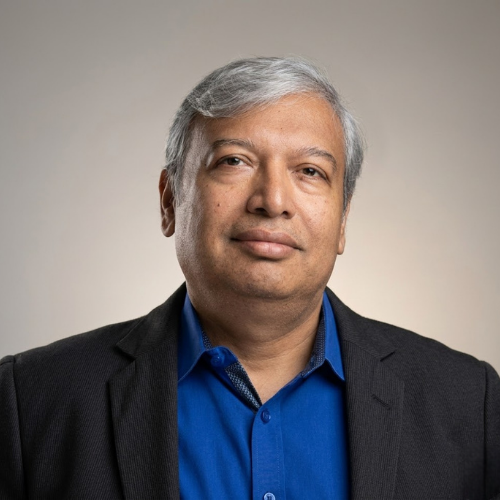
Dr. Tirthankar Dasgupta
Board Of AdvisorsProfessional Summary
Dr. Tirthankar Dasgupta is a Professor of Statistics at Rutgers University, New Jersey. Prior to joining Rutgers University, he served as a faculty member at Harvard University where he received the David Pickard award for excellence in teaching and mentoring. He obtained his PhD from the Georgia Institute of Technology. Tirthankar's primary research interests include experimental design, causal inference, and data science for the physical, engineeting, biomedical and social sciences. He has published more than 50 peer reviewed articles in premiere journals. He is an elected fellow of the American Statistical Association and has served on the editorial boards of the Journal of the American Statistical Association, Journal of the Royal Statistical Society, Statistical Science, Technometrics and IEEE Transactions.
Professional Experience
- Professor of Statistics, Rutgers University, New Jersey
- Ex- Faculty Member Harvard University
- Elected fellow of the American Statistical Association
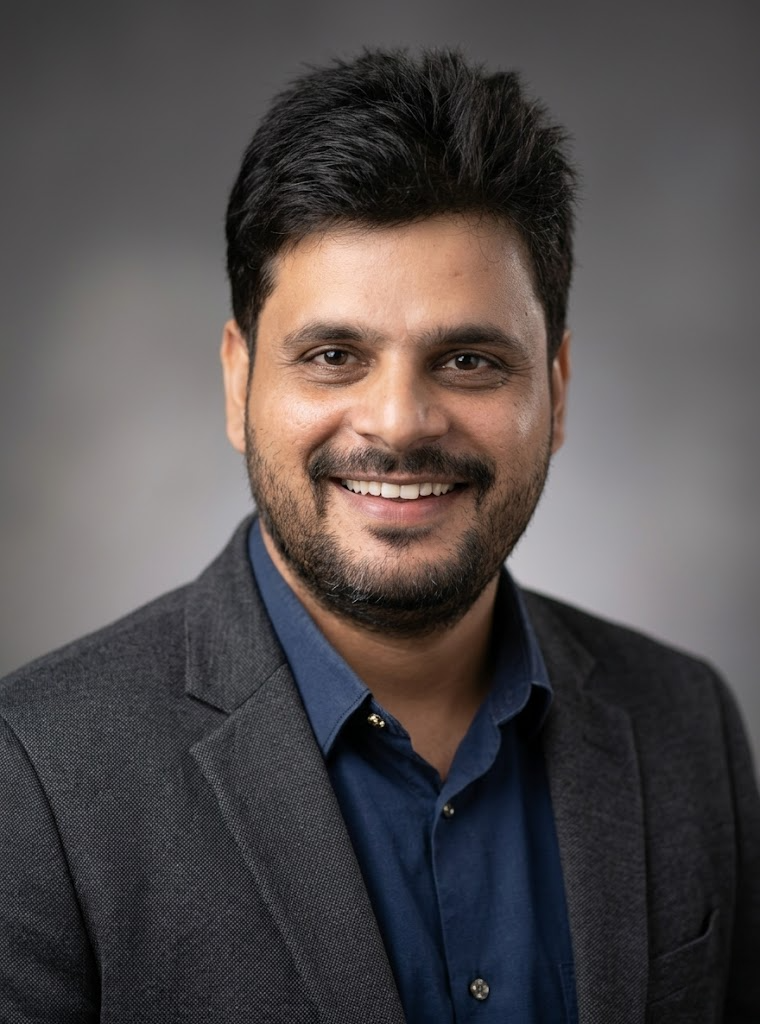
Dr. Saurav Kumar
Board Of AdvisorsAssistant Professor, National Institute of Technology, Agartala
Department of Civil Engineering
PhD in Civil Engineering
Dr. Saurav Kumar is currently serving as an Assistant Professor in the Department of Civil Engineering at the National Institute of Technology (NIT) Agartala. He is also the Faculty In-charge of the Surveying and Geology Laboratory in the department. He holds a Ph.D. in Civil Engineering from IIT Kharagpur and an M.Tech in Earth Sciences from IIT Kanpur, where he also completed a postdoctoral research assignment focused on probabilistic slope reliability assessment under data-scarce conditions.
His research specialization lies in landslide susceptibility mapping (LSM), with a particular emphasis on understanding the combined effects of earthquakes and rainfall in the Himalayan region. During his Ph.D., he carried out a detailed LSM study along the North Sikkim Highway in the Eastern Himalayas. His doctoral research integrated physics-based models and Machine Learning (ML) approaches within a GIS environment to evaluate co-seismic and rainfall-induced landslide susceptibility at a regional scale. A key aspect of his work involved the identification, selection, and integration of critical input parameters, particularly ground motion and rainfall intensity, for robust susceptibility modelling.
His broader technical expertise includes slope stability analysis, Probabilistic Seismic Hazard Analysis (PSHA), GIS-based hazard zonation, and the application of Machine Learning techniques such as Random Forest (RF), Logistic Regression (LR), and Naive Bayes (NB) for landslide susceptibility mapping. He has published four SCI-indexed journal articles and presented his research at eight international conferences. He has also qualified GATE in Civil Engineering and CSIR-NET in Earth Sciences.